Introduction: The Reality Behind Global Hiring Platforms
Hiring talent globally sounds exciting — until you actually try to do it.
What starts as a simple idea quickly turns into a complex process involving international payments, legal contracts, tax compliance, and local labor laws. For many businesses and even freelancers scaling their operations, this is where things begin to break down.
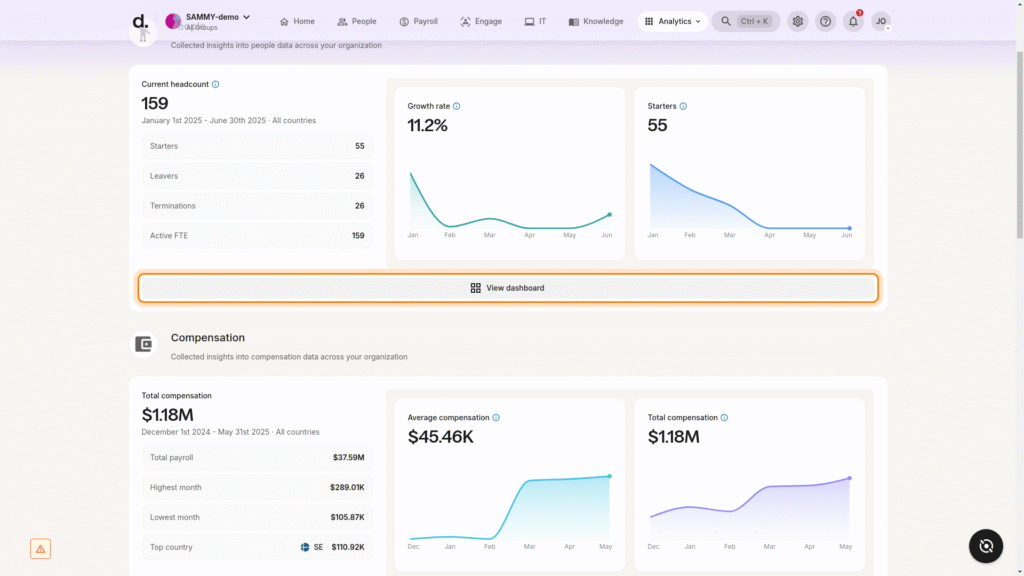
Over the past few years, platforms like Deel have positioned themselves as the all-in-one solution to these challenges. They promise to simplify global hiring, automate compliance, and make international payments seamless.
But here’s the reality: not every solution that looks good on paper delivers the same value for everyone.
After analyzing how these platforms work—and comparing them with real-world needs—it becomes clear that, while Deel is powerful, it’s not always the perfect fit.
In this review, I’ll go beyond the typical feature list and share an honest, experience-based perspective on where Deel truly excels, where it falls short, and answer the real question: Is Deel worth it for your business in 2026?
Is Deel Worth It for Your Business?
To answer this clearly, we need to look more closely at how Deel actually works in real-world scenarios — and whether it truly delivers enough value to justify its cost.
Before diving deeper, it’s important to understand whether Deel actually fits your specific needs…
What Deel Actually Promises
At its core, Deel positions itself as a solution to one of the biggest challenges in modern business: hiring and managing talent across borders without legal or financial friction.
Instead of dealing with multiple tools for contracts, payments, and compliance, Deel brings everything into a single platform. The idea is simple — make global hiring feel as easy as hiring locally.
What Makes Deel Popular
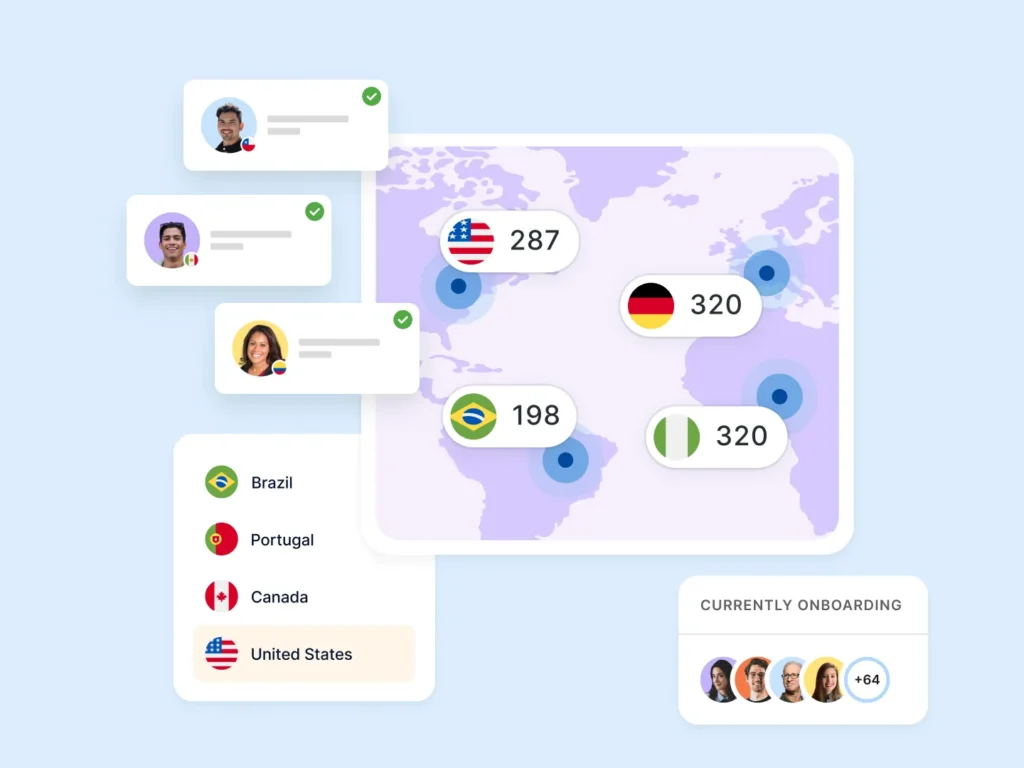
One of the main reasons behind Deel’s rapid growth is its effective simplification of complex processes.
From generating legally compliant contracts across different countries to handling international payroll and tax requirements, Deel removes a significant operational burden. For companies expanding globally, this level of automation can be a game-changer.
Another key factor is trust. Businesses rely on Deel not just for convenience but also to reduce legal risks when working with international contractors and employees.
If you want a full breakdown of Deel features, check my complete review here.
Who Deel Is Designed For
Despite its broad appeal, Deel is not built for everyone.
The platform is primarily designed for:
- Companies are hiring remote teams across multiple countries
- Startups scaling internationally
- Businesses that need structured HR and compliance systems
For these users, Deel offers a centralized and professional solution.
However, for individuals or small-scale freelancers, the value proposition is not always as strong — and this is where things become more nuanced.
My Honest Opinion After Analyzing Deel
After going through Deel in depth — not just from a feature standpoint, but from a real-world usability perspective — it’s clear that the platform is built with a very specific type of user in mind.
This is not a “for everyone” tool.
Deel feels like a product designed for companies that are already operating at a certain level and need structure, compliance, and scalability. And when viewed from that angle, a lot of its strengths — and weaknesses — start to make sense.
What Impressed Me
What stood out the most is how well Deel handles complexity behind the scenes.
One of the most impressive aspects of Deel is how it simplifies processes that are typically complex — such as international contracts, tax compliance, and global payroll — into a single, unified system.
This level of consolidation is not easy to achieve, yet Deel manages to deliver it in a way that feels both reliable and well-structured.
Another strong point is scalability.
Whether you’re hiring in one country or ten, the platform maintains a consistent workflow. That level of standardization can save a lot of time for growing teams.
Also, the overall interface feels professional and well thought out. It’s clear that Deel is not just trying to “look good,” but to actually support serious business operations.
Customer Support: A Critical Factor for Global Operations
Another aspect that stood out during my analysis is Deel’s approach to customer support.
When dealing with international payroll, contracts, and compliance, support is not just a convenience — it becomes essential. Deel offers 24/7 live chat, which is particularly useful when working across multiple time zones.
For larger businesses, dedicated account or success managers can provide a more structured support experience, especially when handling complex global operations.
That said, while the support system is generally reliable, response times for more complex issues may vary depending on demand.
Overall, the level of expertise in areas like local labor laws and tax regulations adds a layer of confidence, which is especially important when dealing with sensitive financial processes.
What Felt Overrated
That said, not everything about Deel lives up to the hype.
One thing that quickly becomes noticeable is that the platform is often presented as a universal solution — but in reality, it’s more niche than it seems.
For smaller teams or individuals, Deel can feel unnecessarily complex. There’s a learning curve, and not everyone needs the level of structure it provides.
Pricing is another point that feels slightly overrated.
While Deel delivers value, that value only becomes clear if you’re fully using its capabilities. Otherwise, you might end up paying for features you don’t actually need.
In short, Deel is powerful — but its real value depends heavily on how and why you use it, which brings us back to the key question: is Deel worth it for everyone?
Where Deel Excels (Strengths)
While Deel isn’t perfect, there are areas where it clearly stands out — especially when compared to fragmented or single-purpose tools.
Global Payroll & Compliance
One of Deel’s biggest strengths is how it handles global payroll and compliance in a unified way.
Instead of dealing with different regulations, payment systems, and tax rules in each country, Deel centralizes everything into a single workflow. This reduces both operational complexity and legal risk, which is often the biggest concern when hiring internationally.
I’ve explained Deel’s payroll system in more detail in this guide.
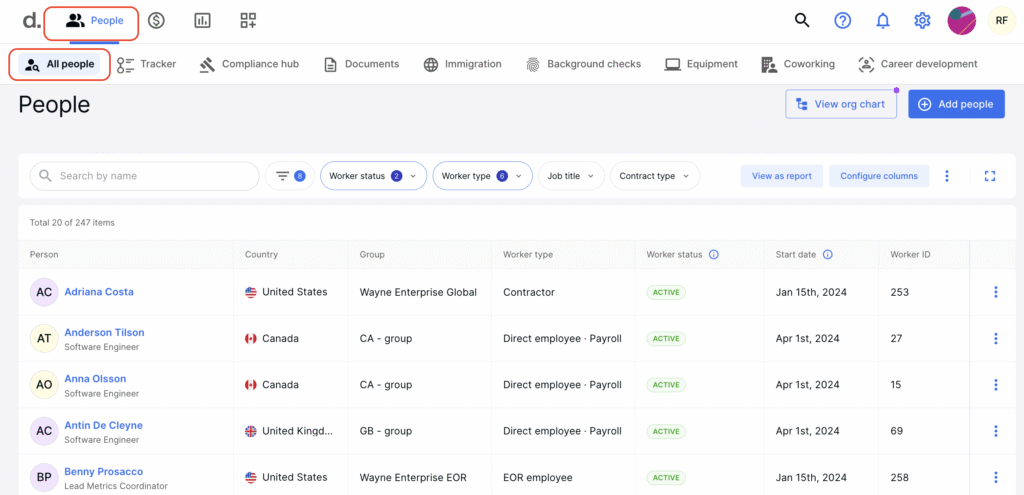
Contract Management
Deel also significantly simplifies contract creation and management.
Rather than drafting contracts manually or relying on external legal help, users can generate compliant agreements tailored to different countries. This not only saves time but also adds a layer of confidence when working with international hires.
You can also follow this step-by-step guide on how to onboard remote employees using Deel.
Ease of Scaling Teams
As teams grow across multiple regions, processes naturally become more complex.
Deel addresses this by offering a consistent system that scales with your business. Whether you’re onboarding a few contractors or managing a distributed team, the workflow remains structured and predictable.
This consistency is what makes Deel particularly attractive for companies planning long-term global expansion.
Where Deel Falls Short (Critical Downsides)
Despite its strengths, Deel is not without limitations. And understanding these downsides is essential before deciding if it’s the right fit.
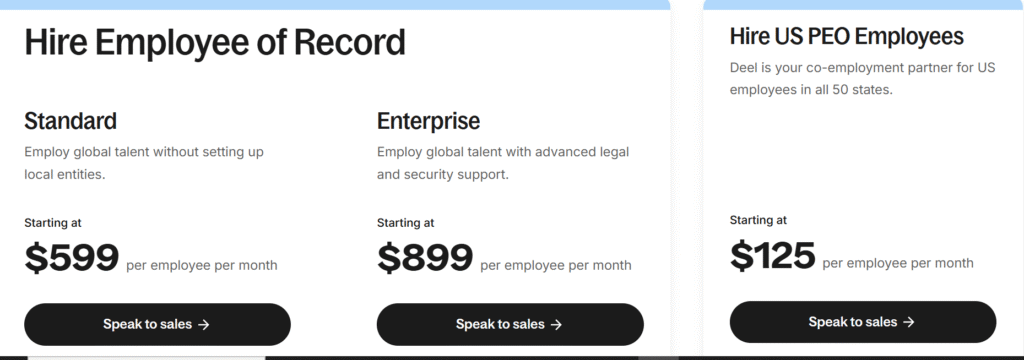
Pricing vs Value
One of the most common concerns with Deel is pricing.
While the platform offers a comprehensive set of features, the cost can feel high — especially for businesses that don’t fully utilize everything it provides. In other words, you’re often paying for a complete system, even if you only need a portion of it.
For companies operating at scale, this pricing can be justified. But for smaller teams or occasional use, the value-to-cost ratio may not always make sense — raising a valid concern about whether Deel is worth it in these cases.
Not Beginner-Friendly
Another noticeable drawback is the learning curve.
Deel is designed with structure and compliance in mind, which means the interface and workflows can feel overwhelming at first — particularly for users who are new to global hiring or HR platforms.
While the system becomes clearer over time, the initial onboarding experience may require more effort than expected.
Overkill for Small Teams
For small teams or solo operators, Deel can simply be too much.
If your needs are limited to basic payments or occasional contractor management, the platform might feel unnecessarily complex. There are lighter and more focused tools that can handle these use cases more efficiently.
In this sense, Deel is not a one-size-fits-all solution — it’s a powerful system, but only when its full capabilities are actually needed.
When Deel Is NOT Worth It (Very Important)
Even though Deel is a powerful platform, it’s not always the right choice for everyone — especially when considering whether it is worth it for your specific situation.
In fact, in some situations, using Deel can be unnecessary — or even inefficient.
Solo Freelancers
If you’re working independently as a freelancer, Deel is often more than you actually need.
Most solo professionals are primarily looking for a simple way to receive payments. In this case, a full-scale platform with contracts, compliance systems, and HR tools may feel excessive.
Unless you’re working with international clients who specifically require Deel, simpler payment solutions are usually more practical.
Small Startups with Low Budget
For early-stage startups, every cost matters.
While Deel provides a structured and professional system, its pricing may not align well with tight budgets — especially if the team is still small.
In many cases, startups can operate effectively with lighter tools until they reach a stage where compliance and scaling become more critical.
Users Who Only Need Payments
Not every business needs a full HR and compliance platform.
If your main goal is just to send or receive international payments, Deel might not be the most efficient option. You would be using a comprehensive system for a very specific and limited need.
There are tools that specialize in payments only — and in such cases, they often provide a more straightforward and cost-effective experience.
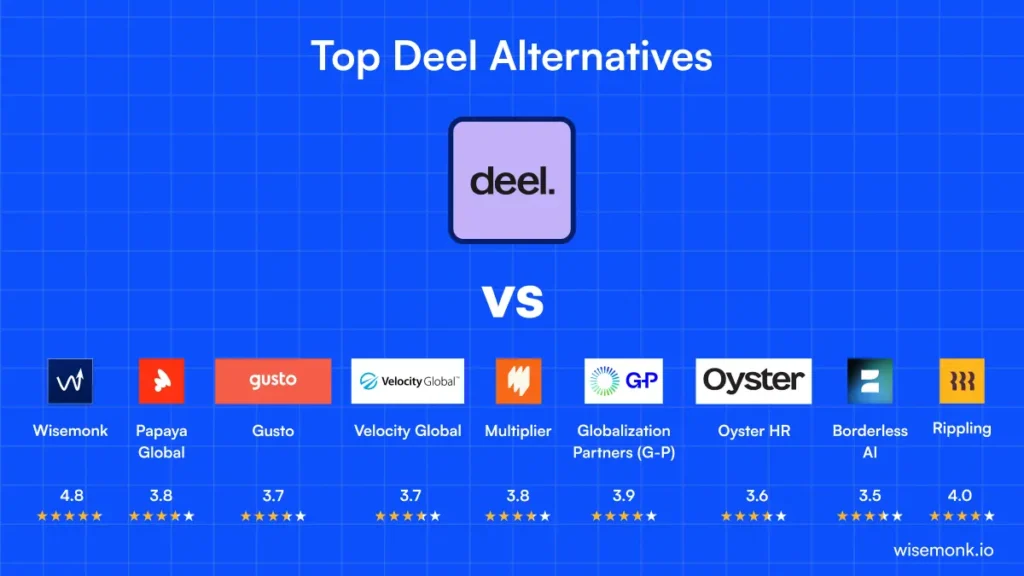
Deel vs Alternatives (Smart Comparison for Affiliates)
Choosing between Deel and other platforms depends largely on your actual needs — whether you’re looking for simple payments or a complete global workforce solution.
Deel vs Payoneer (Payments Only)
Payoneer is widely known as a payment solution for freelancers and businesses dealing with international clients.
If your primary goal is to receive payments, Payoneer can be a straightforward option. It’s simple, familiar, and focused on financial transactions.
However, Deel goes far beyond payments.
With Deel, you’re not just sending or receiving money — you’re managing contracts, compliance, and global hiring in one place. This makes it a better fit for businesses that need structure, not just transactions.
👉 If you’re only handling payments, Payoneer may be enough.
👉 But if you’re managing people globally, Deel offers significantly more value.
Deel vs Wise (Transfers)
Wise is another strong player in international money transfers.
It’s known for:
- Low fees
- Transparent exchange rates
- Fast transfers
But again, Wise is focused on moving money, not managing people.
Deel, on the other hand, integrates payments into a broader system that includes contracts, compliance, and workforce management.
👉 Wise is ideal for transfers.
👉 Deel is built for managing global teams.
Deel vs Papaya / Remote (HR Platforms)
When comparing Deel with full HR platforms like Papaya or Remote, things become more interesting.
These platforms operate in the same space — global payroll, compliance, and workforce management — but with slightly different approaches.
From my analysis:
- Deel stands out for its ease of use and fast onboarding
- Papaya offers strong enterprise-level solutions and scalability
- Remote focuses heavily on compliance and simplicity
👉 If you’re looking for a flexible and widely adopted solution, Deel is a strong choice if you’re looking for an all-in-one global hiring and payroll solution.
👉 If you need more enterprise-focused features, Papaya can be a solid alternative for businesses that need more enterprise-level payroll and workforce management.
💡 You can explore both platforms here:
- Deel → Book a free 30-minute product demo
- Papaya → Schedule a free demo
Better Alternatives Depending on Your Needs
Not every business needs the same type of solution. While Deel is powerful, choosing the right platform depends on your specific situation.
Here’s a more practical way to look at the best alternatives based on real needs:
Best for Freelancers & Simple Payments
If you’re working solo or just need to receive international payments, full HR platforms may not be necessary.
In these cases, simpler tools focused on transfers can be more efficient and cost-effective.
👉 Deel can still be useful if clients require structured contracts, but for basic use, lighter solutions are often enough.
Best for Startups & Growing Teams
For startups that are starting to scale and hire internationally, the decision becomes more strategic.
Deel is a strong option here thanks to its balance between usability and global compliance.
However, if you’re targeting structured payroll systems — especially in specific markets like the U.S. — platforms like Gusto can be a very practical alternative, especially for U.S.-based payroll.
Best for Enterprises & Advanced HR Needs
For larger companies managing complex international teams, more advanced HR platforms may be required.
Papaya, for example, is known for its enterprise-level payroll and workforce management capabilities. It’s designed for businesses that need deeper control, reporting, and scalability.
👉 If you’re operating at scale, Papaya is worth considering alongside Deel.
Final Verdict: Is Deel Worth It in 2026?
After a complete analysis of Deel, the answer to “is Deel worth it” is not a simple yes or no.
Deel is a powerful and well-structured platform — but its value depends entirely on your needs.
If you are managing a global team, dealing with international contracts, and need a reliable compliance system, Deel can be a game-changer. It simplifies complex processes and brings everything into one place.
However, if your needs are limited to basic payments or you’re just starting out, Deel might feel unnecessarily complex — and in some cases, overpriced for what you actually use.
👉 In short:
Deel is not the cheapest option, but it’s one of the most complete solutions available today.
Try Deel or Explore Alternatives
If you’re serious about scaling your team globally and want a structured, all-in-one solution, you can explore Deel here:
If you’re looking for alternatives based on your situation:
- For growing teams and structured payroll systems → 👉 Gusto
- For enterprise-level workforce management → 👉 Papaya
FAQ (Frequently Asked Questions)
Is Deel good for freelancers?
Deel can be useful for freelancers who work with international clients who require structured contracts and compliance.
However, for most solo freelancers, Deel may feel overly complex. If your main goal is simply receiving payments, lighter solutions might be more practical.
Is Deel expensive?
Deel is generally considered a premium platform.
While it offers a wide range of features — including global payroll, compliance, and contract management — the pricing may feel high if you’re not using the full system.
For growing teams and businesses, the cost is often justified. But for smaller users, it may not provide the best value.
What are the best Deel alternatives?
The best alternative to Deel depends on your needs:
- For simple payments → tools like Payoneer or Wise
- For structured payroll (especially in the U.S.) → Gusto
- For enterprise-level workforce management → Papaya
Each platform serves a different purpose, so choosing the right one depends on your specific use case.

James B. has 8 years of experience in online business and digital publishing. At EarnGoGo, he researches and writes about HR, payroll, global employment, and employment compliance, focusing on how technology and AI are changing the way companies hire and manage international teams.