Why Real-Time Chat Is Essential for Modern Marketplace Apps
The Role of Messaging in Buyer–Seller Communication
Building a React chat app is essential for modern marketplaces where buyers and sellers need real-time communication. In this guide, we will show how to build a marketplace chat app in React using CometChat.
Think about the last time you purchased something from an online marketplace. Chances are, you had a question before buying. Maybe you wanted to negotiate the price, confirm shipping details, or simply ask if the item was still available. In traditional e-commerce stores, communication happens through email or support tickets. But modern marketplaces thrive on instant communication, and that’s exactly where real-time chat becomes essential.
Messaging bridges the gap between buyers and sellers by creating a natural, conversational interaction that mirrors real-life transactions. Instead of waiting hours—or even days—for email replies, users can get answers instantly. This immediacy not only speeds up purchasing decisions but also makes the entire platform feel more interactive and trustworthy.
A well-designed React chat app enables these conversations to happen instantly within the marketplace platform.
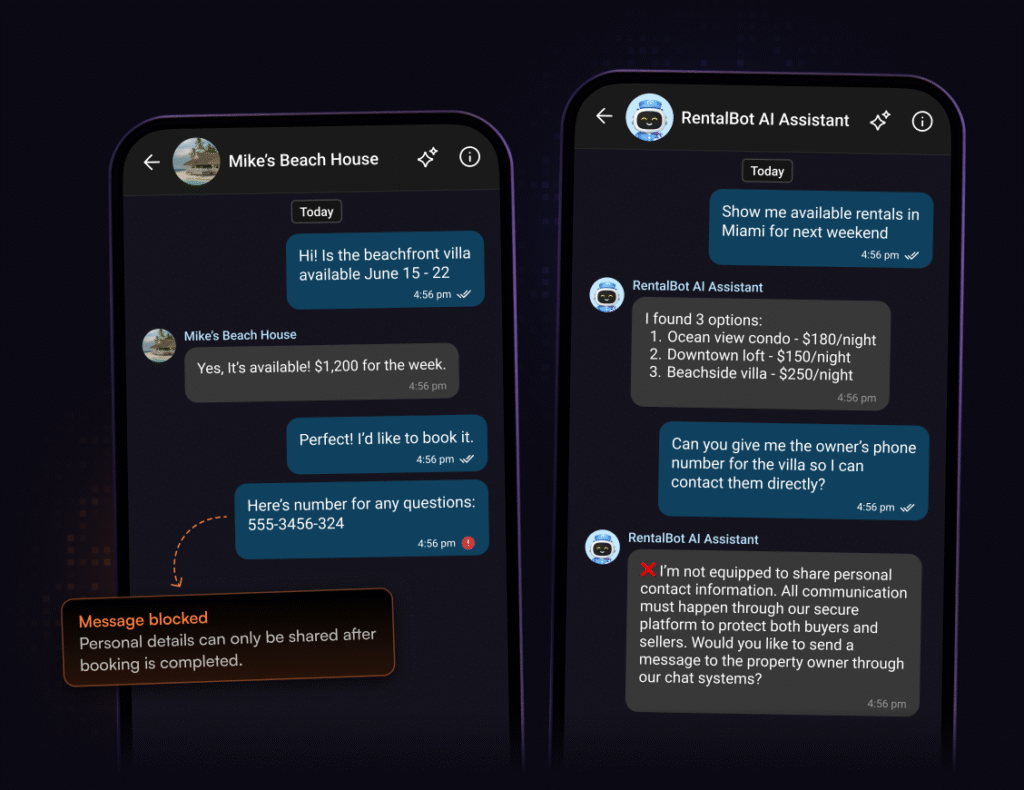
Marketplace platforms such as freelance networks, rental platforms, and secondhand marketplaces rely heavily on this type of communication. A chat system allows buyers to clarify product details, negotiate pricing, or coordinate logistics without leaving the platform. Developers often struggle to build such systems from scratch because they require real-time infrastructure, message storage, and user presence tracking.
This is why solutions like CometChat are gaining traction among developers. Platforms such as the CometChat React Chat SDK provide ready-to-use messaging infrastructure, enabling quick chat integration while focusing on the core marketplace experience.
How Chat Improves Trust and Conversions
Trust is the backbone of any marketplace. When two strangers meet digitally to exchange goods or services, communication becomes the main mechanism for building confidence. Real-time chat allows users to verify authenticity, ask questions, and resolve doubts immediately.
Modern online platforms rely heavily on communication tools to connect users efficiently. Solutions like chat apps and collaboration platforms, such as iConnect, help businesses streamline conversations and improve team productivity.
Imagine a marketplace without messaging. Buyers would hesitate to purchase items if they couldn’t communicate with sellers. Sellers would struggle to clarify product information or negotiate deals. This lack of communication often results in abandoned carts and lost revenue.
With chat integration, the platform suddenly becomes dynamic. Buyers feel empowered to ask questions. Sellers gain an opportunity to showcase their reliability and professionalism. Conversations humanize transactions and create stronger relationships between participants.
Chat also improves engagement metrics. When users stay longer on a platform to chat, browse products, and interact with sellers, overall retention increases. For marketplace startups trying to build network effects, this engagement is crucial.
Modern chat platforms also include features such as read receipts, typing indicators, and online presence, making conversations feel fluid and natural. According to developer documentation, CometChat provides these capabilities out of the box along with message history and media sharing, drastically reducing development complexity.
However, building chat in React involves handling real-time messaging, presence tracking, and UI state updates, which can quickly become complex as an application grows.
Why React Is Perfect for Building a React Chat App
React’s Component-Based Architecture
React has become one of the most popular frameworks for building modern web applications, and it’s particularly well-suited for real-time chat interfaces. At its core, React uses a component-based architecture, which means the entire user interface is divided into reusable building blocks.
In a marketplace chat application, these components might include:
- Chat message bubbles
- Conversation lists
- User presence indicators
- Message input fields
Each component operates independently, making the application easier to maintain and scale. When a new message arrives, React can update only the relevant parts of the interface instead of reloading the entire page. This results in faster rendering and a smoother user experience.
For developers, this architecture also simplifies customization. If you want to modify the appearance of chat bubbles or add additional UI elements, you can easily extend existing components without rewriting the entire system.
React’s component system makes it ideal for building a modern React chat app interface.
Performance Benefits for Real-Time Applications
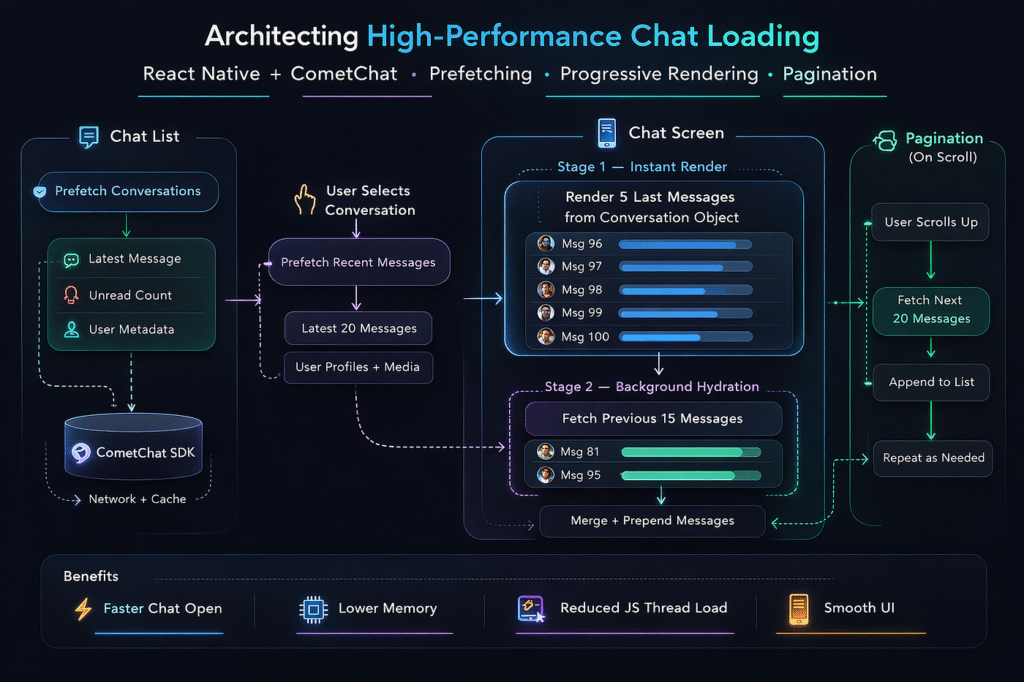
Real-time applications require efficient data handling. Messages must appear instantly, notifications must trigger immediately, and UI updates must happen without lag. React’s virtual DOM helps achieve this by updating only the elements that change.
In a chat system where messages are constantly being added, this efficiency is critical. Without optimized rendering, the interface would slow down as conversations grow longer.
Trust is critical for marketplace platforms, and tools like NiceJob help businesses build credibility through verified customer reviews and reputation management.
Another benefit is React’s massive ecosystem. Developers can combine chat SDKs with state management tools, UI libraries, and backend services to quickly create powerful applications. When combined with services like CometChat, developers no longer need to build WebSocket infrastructure, manage message queues, or handle presence detection.
Instead, they can focus on crafting the user experience that makes their marketplace stand out.
Using CometChat to Power Marketplace Chat in React
Key Features of the CometChat React SDK
CometChat provides a comprehensive messaging infrastructure designed specifically for modern applications. Rather than building chat from scratch, developers can integrate the SDK and immediately access a wide range of messaging features.
Every successful marketplace platform benefits from integrating a React chat app for direct communication.
Some of the most notable capabilities include:
| Feature | Description |
|---|---|
| Real-time messaging | Instant delivery with guaranteed message ordering |
| Presence indicators | Shows when users are online or offline |
| Typing indicators | Displays when someone is typing |
| Media sharing | Send images, videos, and files |
| Message history | Automatic message synchronization and storage |
| Threads and reactions | Supports structured conversations |
The SDK also provides sub-100ms message delivery and global edge infrastructure, ensuring reliable performance even for large-scale applications.
Another advantage is scalability. Chat systems often become complicated as user numbers grow. CometChat’s infrastructure handles this scaling automatically, allowing applications to support thousands—or even millions—of users without significant backend development.
How CometChat Simplifies Real-Time Messaging Infrastructure
Why Developers Choose CometChat for Chat Integration
Building a messaging platform from scratch is far more difficult than it appears. Developers must implement WebSocket servers, manage message persistence, create authentication systems, and design user interfaces that handle real-time updates.
This complexity can easily turn a simple feature into a multi-month engineering project.
CometChat eliminates much of this complexity. Developers can integrate chat functionality within hours rather than weeks by using pre-built UI components and APIs. According to official tutorials, many developers can launch a fully functional chat experience in just a couple of days, rather than building the entire infrastructure themselves.
Another reason developers prefer CometChat is its flexibility. Whether you’re building a marketplace, dating app, social platform, or customer support system, the SDK can adapt to different communication workflows.
For marketplace applications specifically, chat becomes a central feature that connects buyers and sellers seamlessly.
Setting Up Your React Marketplace Chat Project
Tools and Prerequisites
Before integrating chat functionality into your marketplace app, you’ll need a few essential tools and prerequisites.
First, you should have a working React application. This could be a new project created with Create React App, or an existing marketplace platform you’re already developing.
You’ll also need:
- Node.js is installed on your system
- A CometChat account
- Basic knowledge of React and JavaScript
- Access to API keys from your CometChat dashboard
Once you sign up, you can create an application within the CometChat dashboard. This will generate the credentials needed to connect your frontend application to the messaging infrastructure.
The process is straightforward and designed to help developers start quickly without spending hours configuring backend services.
Installing the CometChat React SDK
After preparing your environment, the next step is to install the CometChat SDK in your React project.
Most integrations begin by installing the package through npm or yarn. Once installed, you’ll configure the SDK using the credentials provided in your CometChat dashboard.
Initialization typically involves specifying:
- Application ID
- Authentication key
- Region configuration
After initialization, your application can start creating users, sending messages, and managing conversations.
Many developers also choose to use CometChat’s pre-built UI components, which dramatically reduce development time. Instead of designing chat screens from scratch, these components provide ready-made layouts for conversations, user lists, and message threads.
This approach allows developers to focus on customization and branding rather than infrastructure.
Developers can integrate real-time messaging using the CometChat React SDK, which provides scalable infrastructure and powerful APIs for chat applications.
Building the Core Chat Features
Implementing One-to-One Buyer–Seller Messaging
One of the most important features in any marketplace is the ability for buyers and sellers to communicate directly. This is typically implemented as one-to-one messaging, where two users can exchange messages in a private conversation.
In a React marketplace app, this feature often appears on the product page. When a buyer clicks “Message Seller,” a chat window opens where the conversation can begin.
The chat interface usually includes:
- A message list displaying previous conversations
- A text input for sending new messages
- Timestamps and read receipts
- User avatars and names
CometChat simplifies this process by providing APIs for sending and receiving messages in real time. Developers only need to connect the UI components with the messaging API.
Once implemented, conversations update instantly whenever a new message is sent or received. This real-time interaction creates a seamless communication experience that feels similar to popular messaging platforms.

Adding Real-Time Typing Indicators and Presence
Messaging alone isn’t enough to create a natural conversation experience. Small details such as typing indicators and presence status make chats feel more human and interactive.
Typing indicators show when another user is currently composing a message. Presence indicators display whether someone is online, offline, or recently active.
These features may seem minor, but they significantly improve the user experience. When users know someone is actively typing or online, they’re more likely to stay engaged in the conversation.
CometChat includes these features by default. Developers can easily enable them using the SDK without writing custom logic to track user activity.
This dramatically reduces development complexity while improving the realism of conversations.
Enhancing the Chat Experience
Media Sharing and Message Reactions
Text messaging is just the beginning. Modern chat systems support rich media interactions, allowing users to send images, videos, and files directly within conversations.
In marketplace environments, this feature becomes extremely useful. Sellers can send additional product photos, buyers can share screenshots of issues, and both parties can exchange transaction related-documents.
CometChat’s messaging infrastructure supports drag-and-drop media uploads, image previews, and voice messages, creating a more dynamic communication environment.
Message reactions also add an interactive layer to conversations. Instead of replying with text, users can respond with quick emoji reactions that express acknowledgment or agreement.
Features like media sharing and reactions make a React chat app feel more interactive.
These subtle features help conversations feel more natural and engaging.

Notifications and Message History
Another essential component of marketplace chat systems is notifications. Users should be alerted whenever they receive new messages, especially if they’re not actively browsing the chat interface.
Notifications can appear in several forms:
- Push notifications
- Email alerts
- In-app message indicators
These alerts ensure that users don’t miss important conversations.
Message history is equally important. Conversations should remain accessible so users can review past discussions about orders, negotiations, or agreements. CometChat automatically synchronizes and stores message history, allowing users to scroll through previous chats without losing context.
These alerts are especially important in a React chat app, where users expect instant updates when new messages arrive.
Real-World Marketplace Use Cases
Product Negotiations and Customer Support
Real-time chat opens the door to several practical marketplace scenarios.
Buyers frequently negotiate prices, request discounts, or ask about delivery options. Instead of relying on email threads, these discussions can happen instantly within the platform.
Customer support also benefits greatly from chat functionality. Marketplace administrators can step in to mediate disputes, answer questions, or provide assistance when transactions become complicated.
This direct communication channel improves customer satisfaction while reducing friction during transactions.
Scaling Communication in Large Marketplaces
As marketplaces grow, communication complexity increases. Thousands of buyers and sellers may be chatting simultaneously, creating a massive volume of messages.
This is where scalable infrastructure becomes crucial. Messaging platforms like CometChat provide global edge networks and reliable real-time delivery, ensuring that messages reach recipients quickly regardless of geographic location.
With the right architecture, even rapidly growing marketplaces can maintain smooth and responsive communication.
In large platforms, a scalable React chat app can support thousands of simultaneous conversations.
Best Practices for Marketplace Chat UX
Designing a Clean and Intuitive Chat Interface
A powerful chat system is only effective if users can navigate it easily. Clean design and intuitive workflows are essential for creating a seamless messaging experience.
Chat interfaces should prioritize clarity. Messages should be easy to read, timestamps should be visible, and conversation lists should be organized logically.
Mobile responsiveness is also critical. Many marketplace users communicate from smartphones, so chat interfaces must adapt to smaller screens without sacrificing functionality.
Developers should also consider adding features such as quick reply buttons, conversation search, and message filters. These enhancements help users manage multiple conversations efficiently.
A well-designed chat experience not only improves usability but also strengthens user engagement across the entire platform.
Modern messaging interfaces rely on reusable React chat components such as message bubbles, conversation lists, and input composers.
Conclusion
Building a marketplace chat system used to require weeks of backend development, complex infrastructure, and careful performance optimization. Today, modern tools and SDKs make it much faster to integrate real-time messaging.
By combining React’s flexible frontend architecture with a powerful messaging platform like CometChat, developers can create engaging communication features that connect buyers and sellers instantly.
Real-time chat improves trust, increases engagement, and streamlines transactions across marketplace platforms. With features such as presence indicators, media sharing, message history, and scalable infrastructure, developers can deliver a professional messaging experience without reinventing the wheel.
If you’re planning to build chat in React without managing backend infrastructure, platforms like CometChat offer scalable, developer-friendly solutions.
Implementing a scalable React chat app ensures that buyers and sellers can communicate without friction.
For startups and growing platforms alike, integrating chat functionality is no longer optional—it’s a fundamental component of modern digital marketplaces.
Building a React chat app for marketplaces no longer requires complex infrastructure.
With the right tools, building a React chat app for marketplaces becomes much easier.
FAQs
1. Why is chat important for marketplace apps?
Chat allows buyers and sellers to communicate instantly, negotiate deals, and clarify product details. This real-time interaction increases trust and often leads to higher conversion rates.
2. Can React handle a React chat app efficiently for real-time messaging?
Yes. React’s virtual DOM and component-based architecture make it well-suited for building a scalable chat app that updates messages frequently.
3. What features should a marketplace chat system include?
Essential features include real-time messaging, presence indicators, typing status, media sharing, notifications, and message history.
4. Is it difficult to integrate chat into a React app?
Not necessarily. Using platforms like CometChat simplifies the process by providing ready-to-use SDKs and UI components.
5. Can marketplace chat scale to thousands of users?
Yes. With scalable infrastructure and optimized APIs, modern chat platforms can support large numbers of concurrent conversations without performance issues.